
"Kenya MBUNI"
26 article(s) found

Kenya Coffee Kenya rating
Usually, Kenyan coffee is classified as follows: 1) Common categories: coffee fruits picked by hand, picked by hand, picked out immature fruit (unripe), overripe fruit (overripe) and other defects, peeled, after about 36 hours of fermentation, placed on a metal grid for sun drying, in the processing plant to remove the seed shell (parchment) to become a blue-green appearance

Kenya grades Kenyan boutique coffee beans
Kenya Cupping (Simon) 2015-08-01 16:00 usually Kenya coffee is classified as follows: 1) Common classification: coffee fruits picked by hand, picked by hand, picked out immature fruit (unripe), overripe fruit (overripe) and other defects, peeled, fermented for about 36 hours, placed on a metal grid for sun drying

Species Planning of Coffee beans in Kenya
1) Common classification: hand-picked coffee fruit, picked by hand, picked out immature fruit (unripe), overripe fruit (overripe) and other defects, peeled, after about 36 hours of fermentation, placed on a metal grid for sun drying, in the processing plant to remove the seed shell (parchment), become a blue-green appearance of attractive Kenyan raw beans. These beautiful raw beans, roots
Kenya Coffee Grade: Kenya AA
Kenyan coffee has many followers in the boutique coffee industry, and Kenyan AA has an extraordinary popularity. Usually, Kenyan coffee is classified as follows: 1) Common categories: coffee fruits picked by hand, picked by hand, picked out immature fruit (unripe), overripe fruit (overripe) and other defects, peeled, fermented for about 36 hours, and dried in the sun on a metal grid.
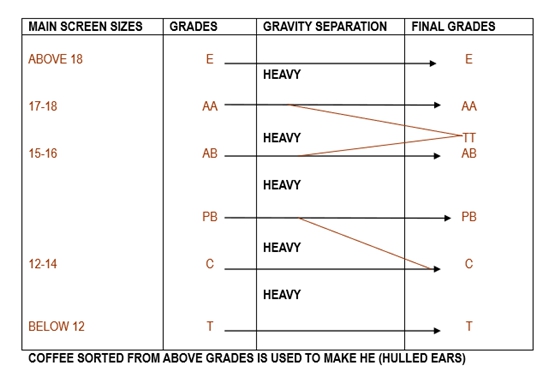
World boutique Coffee beans: Kenya Coffee Grade Kenya AA
Kenyan coffee has many followers in the boutique coffee industry, and Kenyan AA has an extraordinary popularity. Usually, Kenyan coffee is classified as follows: 1) Common categories: coffee fruits picked by hand, picked by hand, picked out immature fruit (unripe), overripe fruit (overripe) and other defects, peeled, fermented for about 36 hours, and dried in the sun on a metal grid.

An introduction to the Origin and Cultural course of Coffee beans in Kenya
1) Common classification: hand-picked coffee fruit, picked by hand, picked out immature fruit (unripe), overripe fruit (overripe) and other defects, peeled, after about 36 hours of fermentation, placed on a metal grid for sun drying, in the processing plant to remove the seed shell (parchment), become a blue-green appearance of attractive Kenyan raw beans. These beautiful raw beans, roots
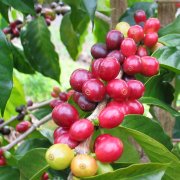
Coffee Grading in Kenya
The growing environment of fine coffee beans also has higher requirements. It generally grows at an altitude of 1500 meters or even 2000 meters above sea level, with suitable precipitation, sunshine, temperature and soil conditions. Some world-famous coffee beans also have special geographical conditions, such as the mountain clouds in the Blue Mountains, the free shade provided by afternoon clouds in Kona, and the volcanic ash soil in Antigua.

Kenyan grade coffee bean boutique coffee
Usually, Kenyan coffee is classified as follows: 1) Common categories: coffee fruits picked by hand, picked by hand, picked out immature fruit (unripe), overripe fruit (overripe) and other defects, peeled, after about 36 hours of fermentation, placed on a metal grid for sun drying, in the processing plant to remove the seed shell (parchment) to become a blue-green appearance
Coffee grading in Kenya
The growth environment of boutique coffee beans also has higher requirements. Generally grow at an altitude of 1500 meters or even more than 2000 meters above sea level, with appropriate precipitation, sunshine, temperature and soil conditions. Some world-famous coffee beans also have a special geographical environment, such as the alpine clouds in the Blue Mountains, the free shade provided by the afternoon clouds in Kona, and the volcanic ash soil in Antigua.
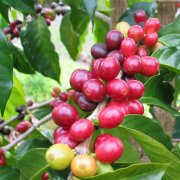
Classification of Kenyan coffee beans African boutique coffee
Usually, Kenyan coffee is classified as follows: 1) Common categories: coffee fruits picked by hand, picked by hand, picked out immature fruit (unripe), overripe fruit (overripe) and other defects, peeled, after about 36 hours of fermentation, placed on a metal grid for sun drying, in the processing plant to remove the seed shell (parchment) to become a blue-green appearance

Kenyan coffee beans. How about Kenyan coffee beans?
Following caf é comments (Wechat official account vdailycom) found that Fairview Cafe opened its own shop for Kenyan coffee beans: the best grade of Kenyan coffee is PB, followed by AA, AB and so on. PB (PeaBerry) round beans: this is the grading for small round beans. This means that there is only one stone in the coffee fruit, not the common one.

What do you recommend for Kenyan coffee beans? Kenya aa grading is quality assurance.
Professional coffee knowledge exchange more coffee bean information please follow the coffee workshop (Wechat official account cafe_style) front street-Kenya coffee introduction usually Kenya coffee is classified as follows: 1) Common classification: hand-picked coffee fruit, after hand-picked, pick out immature fruit (unripe), overripe fruit (overripe) and other defects, peeling, after about 36 hours
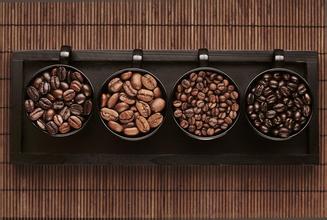
Taste characteristics of coffee bean producing area in Uganda quality introduction of manor flavor description method
Ugandan coffee beans introduced that in the 16th century, Portuguese colonists occupied coastal areas. In 1890, Germany and Britain divided East Africa, and Kenya was classified as Britain. The British government declared Kenya its "East African protectorate" in 1895 and changed it into its colony in 1920. Coffee was grown on large estates under British colonial rule, and the harvested beans were shipped to London for sale. Coffee Act of 1933

What coffee beans are produced in Kenya? are they fine coffee? I only recognize the grade of Kenyan coffee beans as AA
Professional coffee knowledge exchange more coffee bean information please follow the coffee workshop (Wechat official account cafe_style) front street-Kenya Coffee introduction Kenya Coffee has many followers in the boutique coffee industry, Kenya AA has an extraordinary popularity. Kenyan coffee has a multi-layered taste and acidity of fruit juice, rich berry flavors, solid body, and

Introduction to the production area with excellent medium purity Berman Manor coffee flavor
Kenya AA coffee beans Kenya is adjacent to Ethiopia, the origin of Arabica coffee trees to the north, but it was not until the beginning of the 20th century that coffee cultivation began. Missionaries introduced Arabica trees from Yemen in the 19th century, but did not plant them in large quantities. Coffee was not cultivated on a large scale until 1893, when Brazil's ancient "bourbon" coffee seeds were introduced.

Introduction of quality manor by description of taste and flavor in coffee bean producing area of Uganda
Acidity (brightness) (1-10): 8 taste (layering) (1-10): 8.5 taste (alcohol thickness) (1-5): 4 aftertaste (residue) (1-10): 8.1 balance (1-5): 0 basic score (50): 50 total score (maximum 100): 85.2 strength / main attributes: medium strength / oil content

Grade planning of coffee beans in Kenya
Common classification: hand-picked coffee fruit, picked by hand, picked out immature fruit (unripe), overripe fruit (overripe) and other defects, peeled, after about 36 hours of fermentation, placed on a metal grid for sun drying, in the processing plant to remove the seed shell (parchment), become a blue-green appearance of attractive Kenyan raw beans. These beautiful raw beans, according to one

The Survival of the Historic Coffee Farmers in the Maraquat Coffee producing area of Terrance-Enzoya & , Kenya
For more information on coffee beans, please follow the history of the coffee workshop (Wechat official account cafe_style) in Kenya's TRANS-NZOIA and KEIYOMARAKWET (Temple-Enzo Yamalaquat). The revolution in the early 1950s (Mau Mauuprising) passed the Agriculture Act. To create a family farm business, combine existing farms and

A brief introduction to the Market Price of simple and mild Uganda Fine Coffee Bean varieties
The western branch of the East African Rift Valley runs through the western border, with many rivers and lakes at the bottom of the valley. Uganda has a great Victoria lake, coupled with the high mountains, which makes Uganda a mild climate suitable for growing coffee, although it spans both sides of the equator. The coffee growing industry in Uganda is one of the pillar industries of its exports. Uganda is the birthplace of Robsta in Africa, just as Ethiopia is the native source of Arabica coffee.